Uses of Mango Leaves, Seeds, and Bark.
The mango is the most popular fruit of the tropics and is called ‘The King of Asiatic fruits’. It is regarded as a valuable item of diet and a household remedy. The mango is a fleshy drupe, variable in size and shape, with varying mixtures of green, yellow, and red color.
The mango is indigenous to India. It has been cultivated here for over 4000 years. In Vedas, mango is praised as a heavenly fruit.
Ayurveda considers ripe mango sweet and heating. It balances all three doshas and acts as an energizer.
Green, unripe mango is also used in Indian cooking. Several varieties are specially cultivated for using raw. Green mango could be picked long before ripening while it is still hard. The fruit is grated and added to dhals and vegetables, or made into chutneys and pickles.
Diabetes:
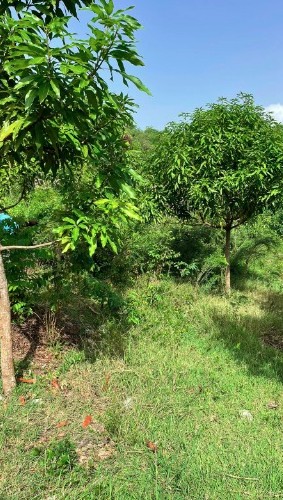
The tender leaves of the mango tree are considered useful in diabetes. An infusion is prepared from fresh leaves by soaking them overnight in water.
Key Details
- Known as 'The King of Asiatic fruits'
- Fleshy drupe: green, yellow and red
- Cultivated for over 4000 years
- Leaves, seeds and bark used traditionally